The Ultimate Guide to Wedding Photography Timeline
Table of Contents
Morning Prep: How Much Time You Really Need for Getting Ready Photos
First Look vs. No First Look: How It Impacts Your Entire Timeline
Cocktail Hour & Family Portraits: What to Schedule and How Long It Takes
Reception Flow: Key Moments to Capture & When They Usually Happen
Introduction
When it comes to wedding photography, timing really is everything. I’ve photographed dozens of weddings over the years, and one of the biggest stress relievers for couples is having a clear, realistic timeline for the day. Not only does it help your photographer stay on top of all the key moments, but it also gives you more breathing room to enjoy your day without constantly checking the clock.
Whether you’re planning a 2026 wedding or just trying to get your head around how the day flows, this guide will walk you through each part of the timeline from a photographer’s point of view. Let’s break it all down.
Morning Prep: How Much Time You Really Need for Getting Ready Photos
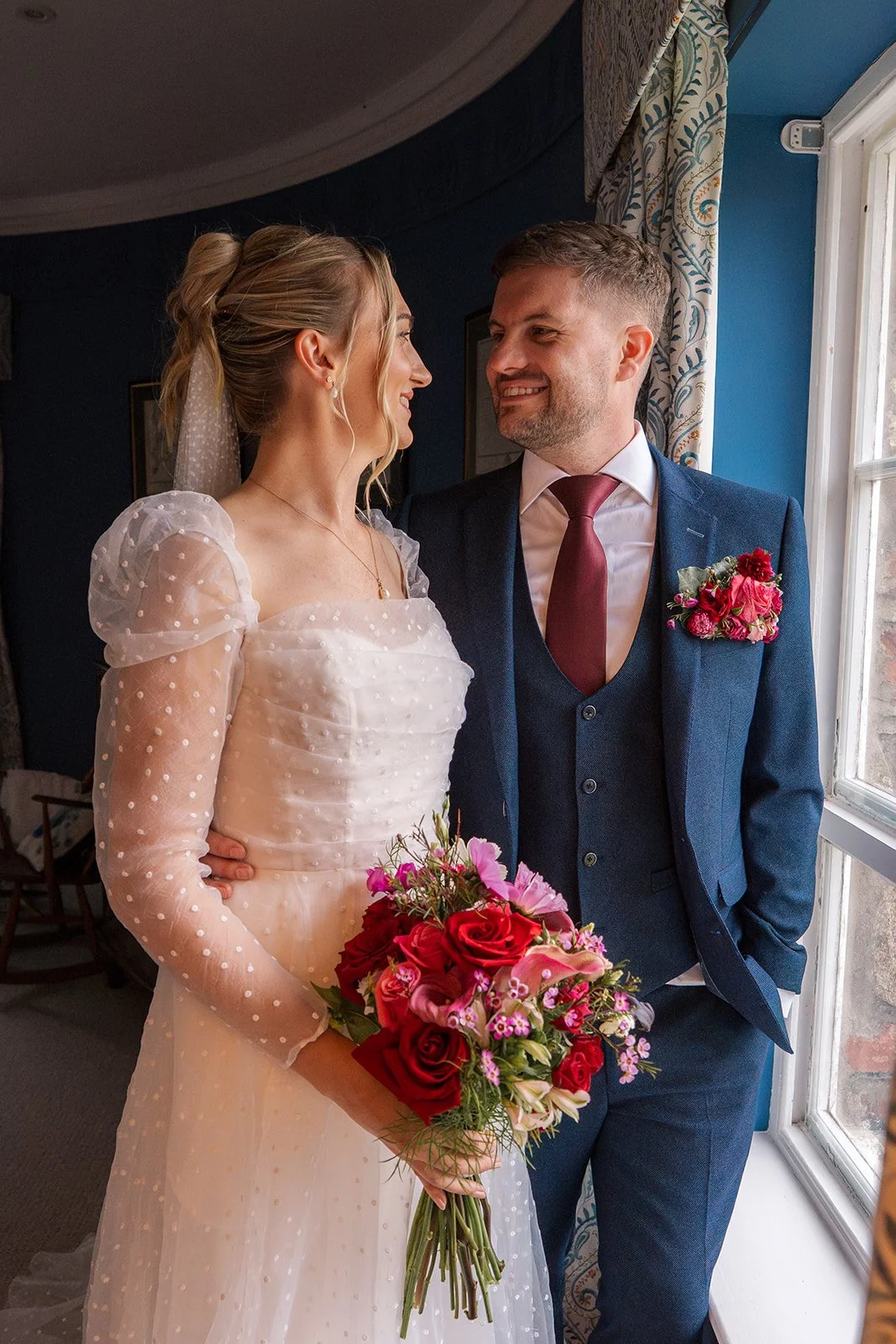
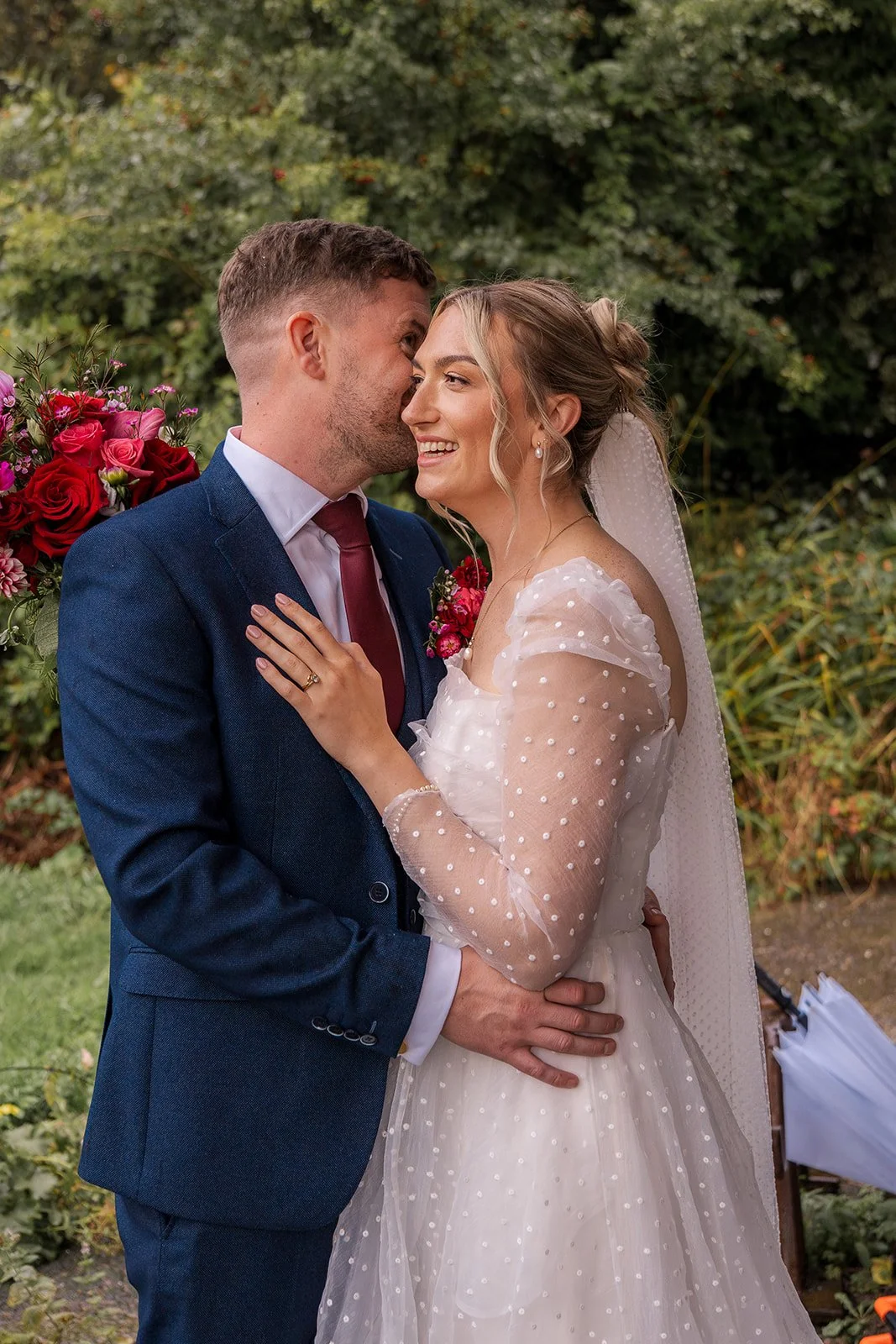
The morning sets the tone for your entire wedding day, and it’s when we capture so many beautiful, candid moments. I usually recommend allowing at least 1.5 to 2 hours for photography coverage during prep. This gives time for flat lays of your details (like invitations, rings, perfume), hair and makeup finishing touches, robe photos, and those quiet emotional moments with family or your bridal party. If both partners want prep photos, we’ll often split coverage or stagger the timeline depending on logistics.
Don’t forget to allow buffer time for getting dressed and travel, it always takes longer than you think.
First Look vs. No First Look: How It Impacts Your Entire Timeline
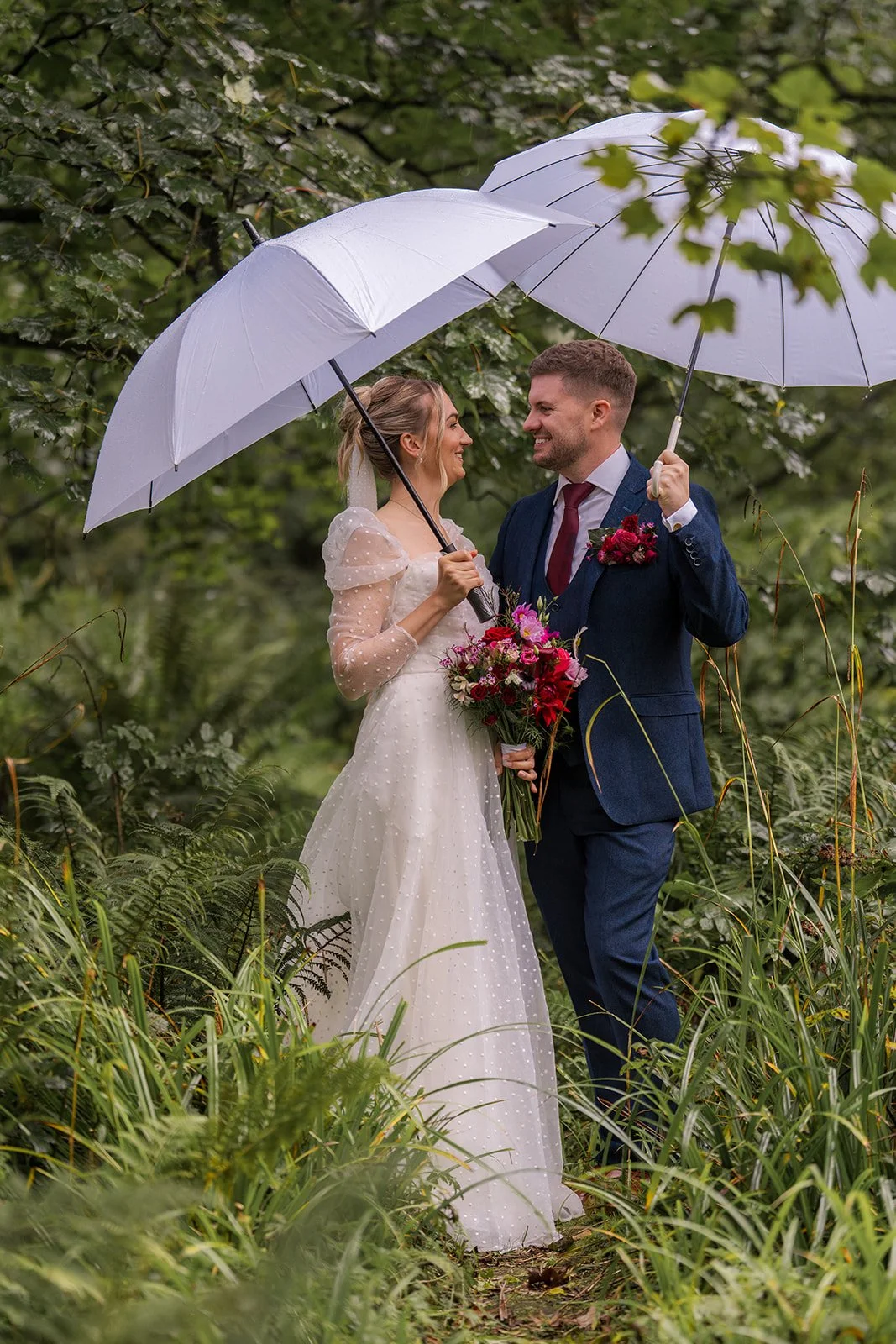
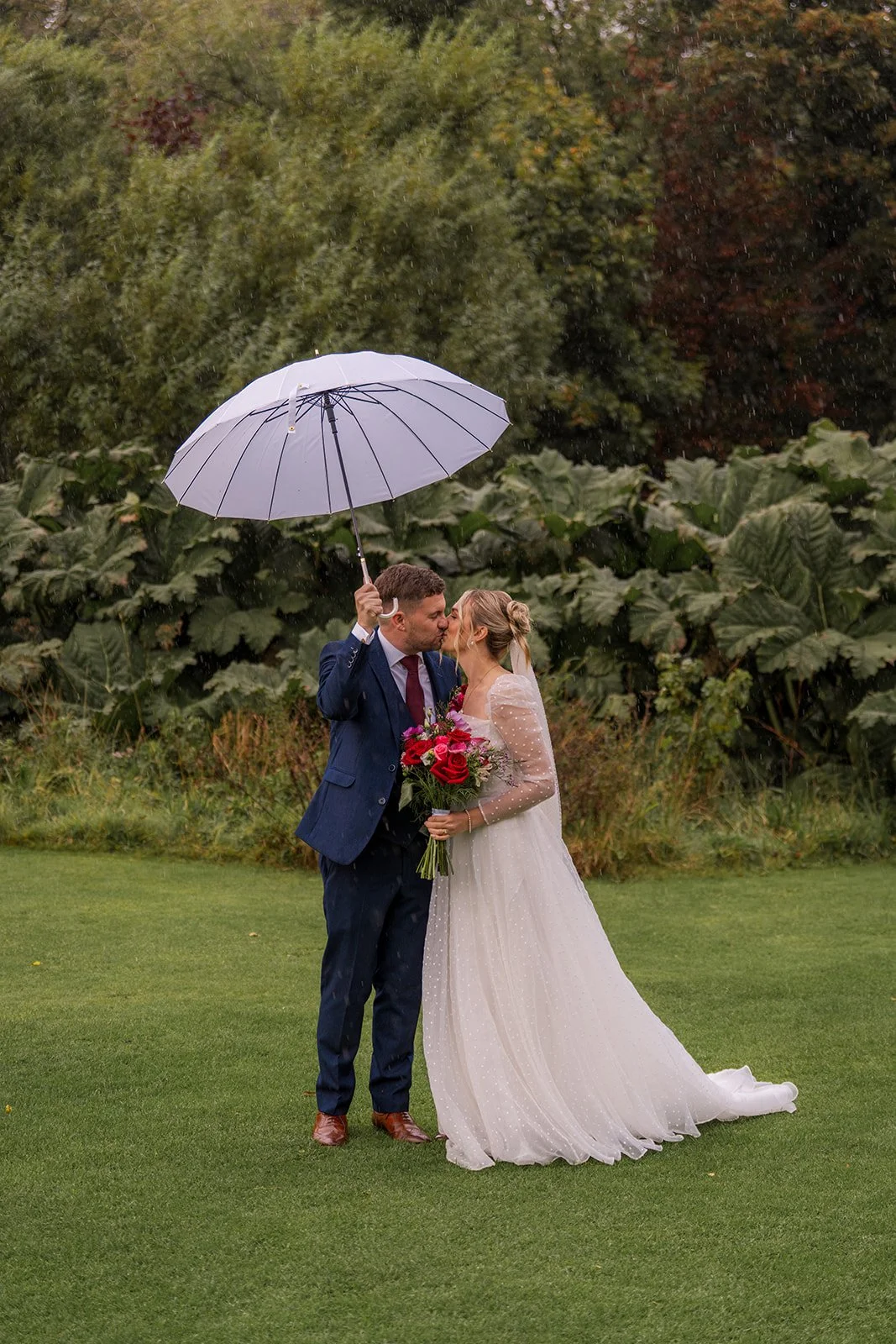
Deciding whether or not to do a first look affects how the rest of your timeline plays out. If you do one, we can usually get most of your portraits, couple, bridal party, sometimes even family, done before the ceremony, which frees up your time later. If not, portraits happen after the ceremony, which can sometimes feel rushed, especially if you're chasing light. There’s no right or wrong here, it’s just about choosing what feels right for you and your schedule. I’ll always help you figure out which version gives you the most relaxed experience.
Ceremony Timing & Ideal Length for Photography Coverage
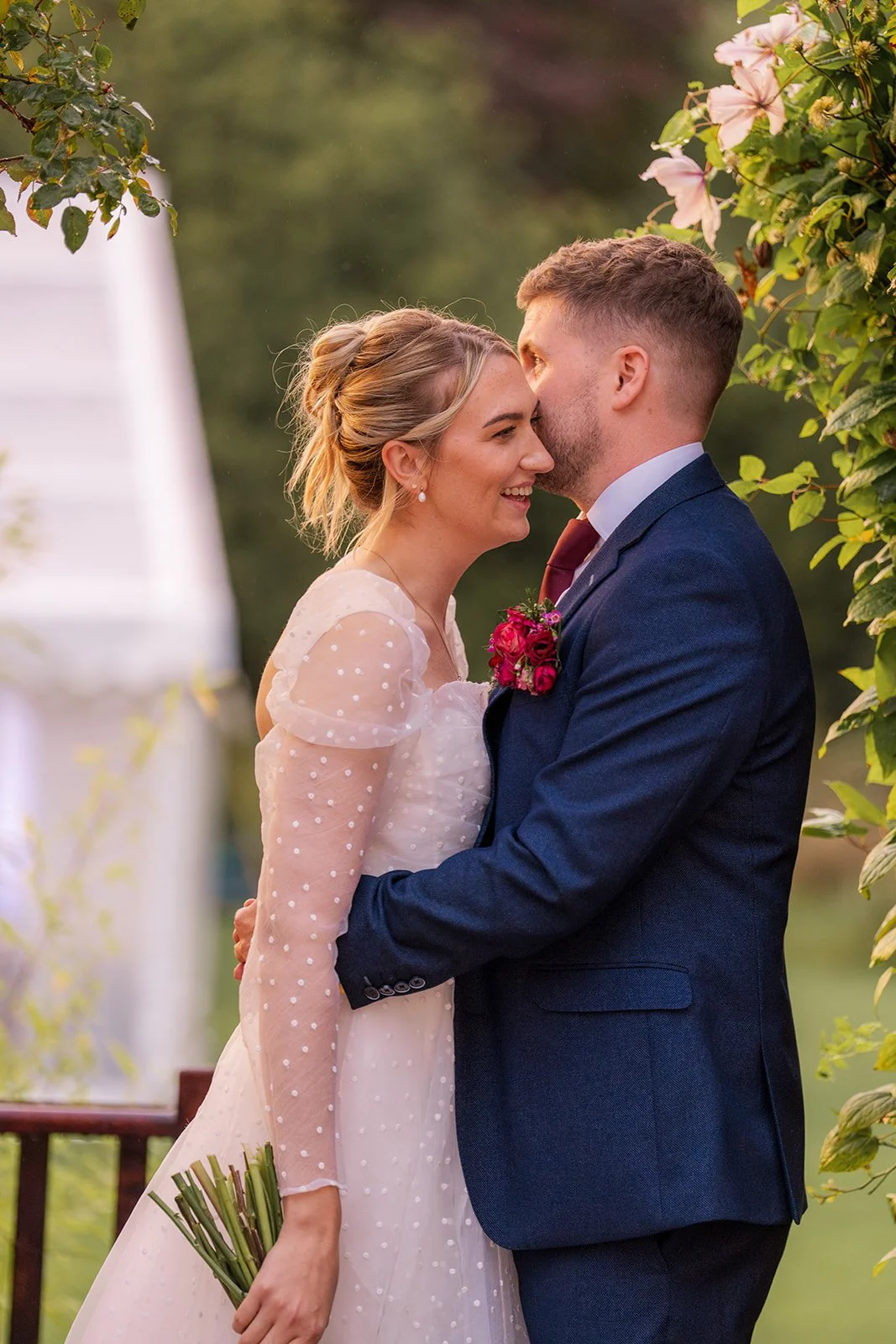
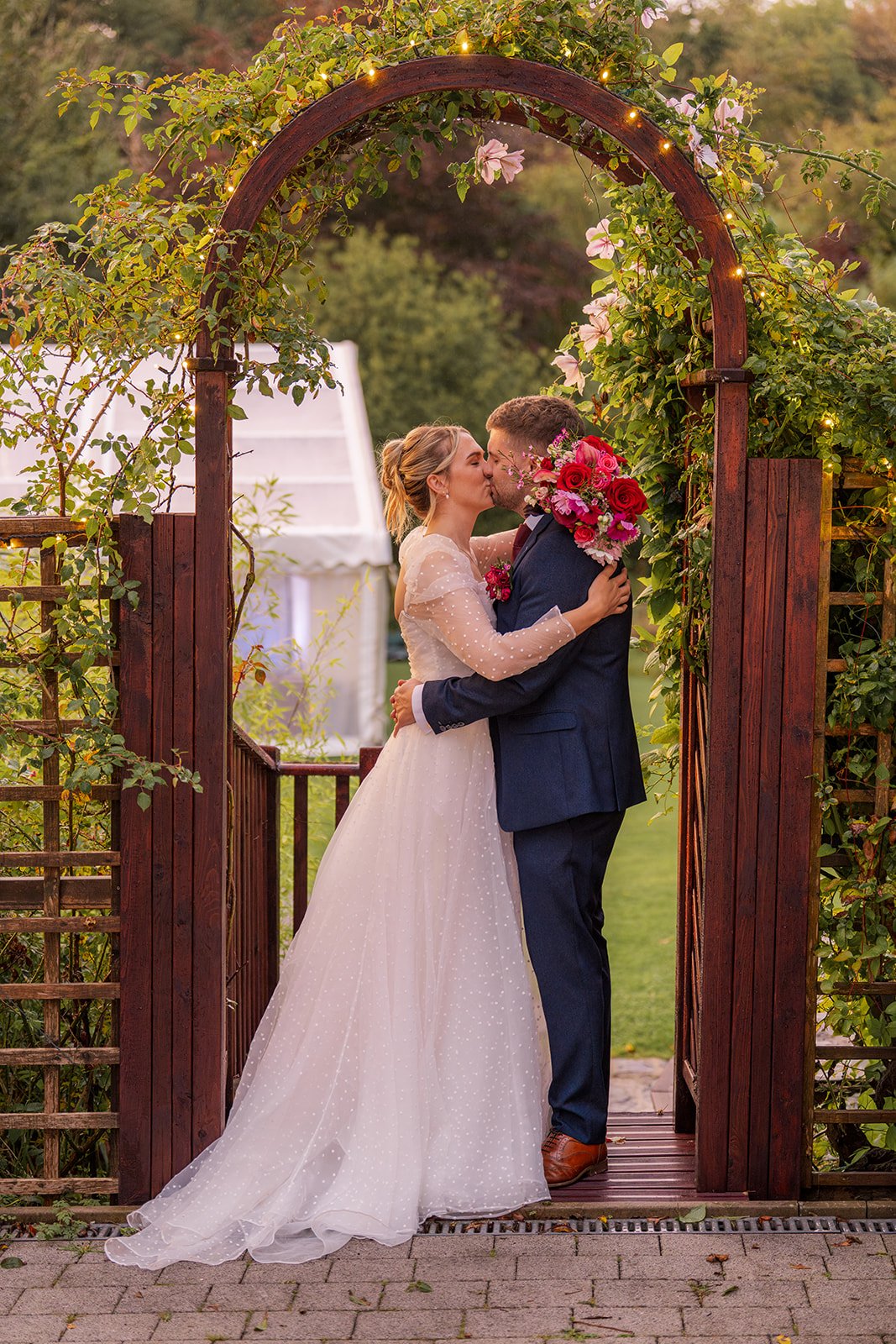
Most wedding ceremonies last between 20 and 40 minutes, but photography coverage starts earlier than that. I usually arrive at the ceremony space around 30 minutes before to capture guest arrivals, venue details, and the anticipation before it all begins. After the ceremony, we’ll need time for confetti, hugs, and any group photos you’ve planned at the ceremony location. Having a buffer between ceremony and next events helps avoid any time pressure, especially if things run late. I’ll also guide you on lighting and ideal start times depending on the season.
Cocktail Hour & Family Portraits: What to Schedule and How Long It Takes
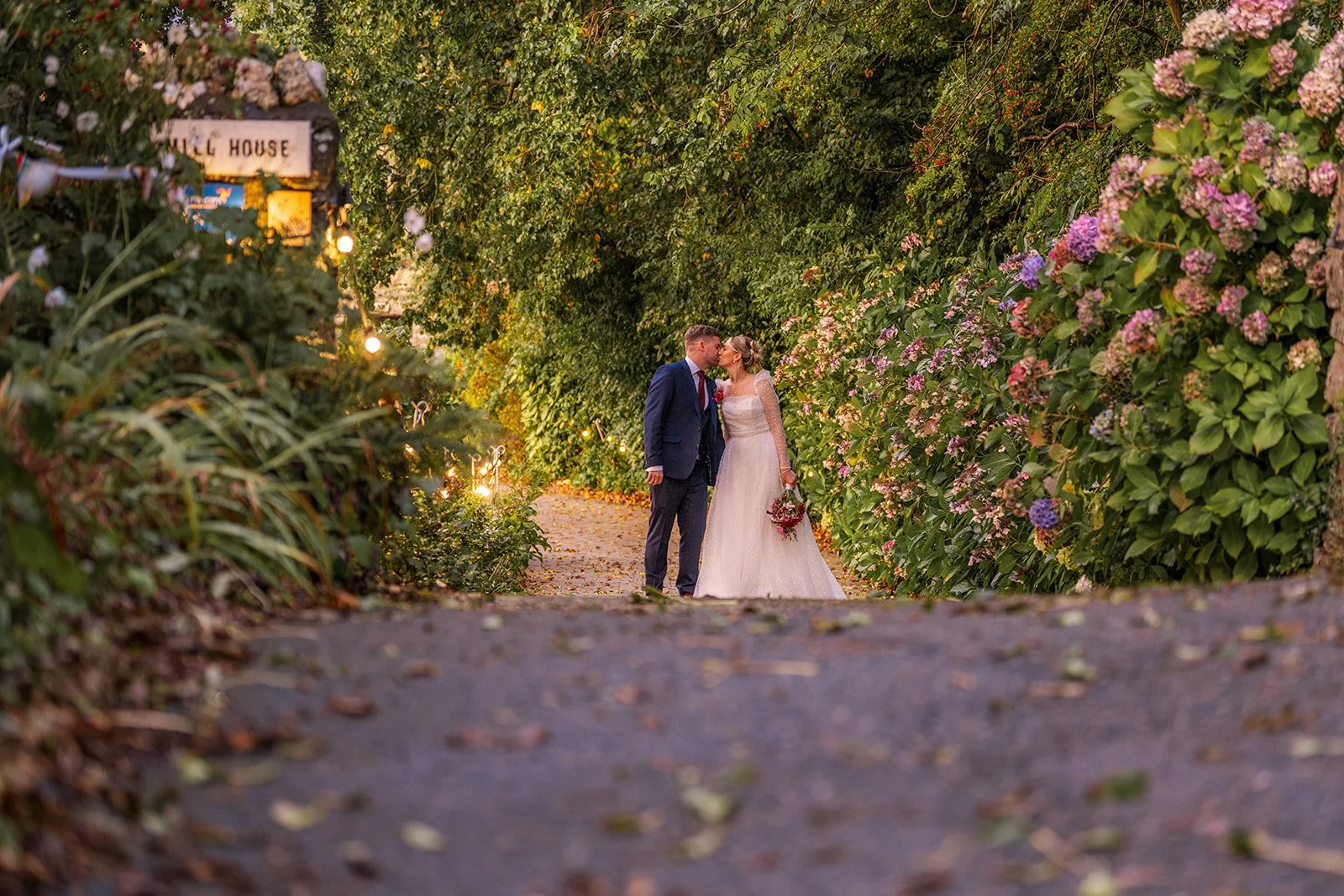
Cocktail hour is the ideal time for formal family photos and candid guest shots. Family portraits can take 20 to 40 minutes, depending on how many groupings you want. Ee usually focus on immediate family first, then wedding party, then any extended groups.
It’s best to prepare a photo list in advance so no one gets missed and we can move efficiently. After that, I’ll usually roam and capture guests mingling while you relax or sneak away for couple portraits. The more structure we have here, the smoother everything flows.
Reception Flow: Key Moments to Capture & When They Usually Happen
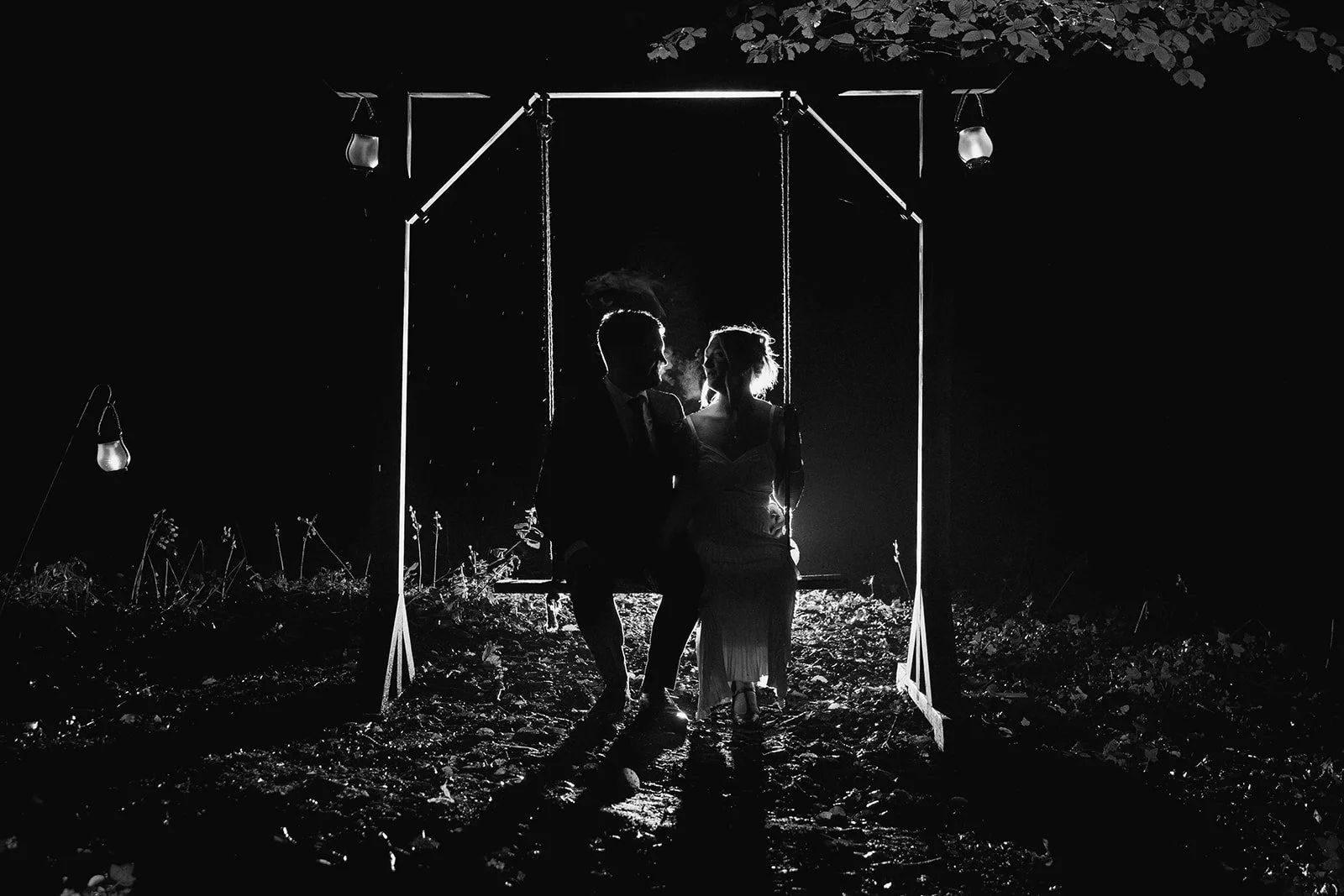
The reception is when you can let loose and enjoy, but it still helps to have a loose schedule for the key moments. This includes entrances, speeches, cake cutting, first dance, golden hour portraits, and opening the dance floor. I’ll always help you time golden hour photos so we don’t miss the best light, even a 10-minute sunset session can add some magic. Most of these events happen within the first 90 minutes of the reception so I can capture the emotional beats before the party takes over. After that, it’s all about dancefloor energy and good vibes.
Bonus: Don’t Forget the Light
Pro Tip: Timing Your Day Around Natural Light
One of the most overlooked parts of planning your wedding timeline is the light. In summer, golden hour might be as late as 8:30 PM, but in winter, it could be 3:45 PM, and that changes when we schedule your ceremony, portraits, and travel.
I always recommend looking up sunset times and building your schedule around it so we don’t miss those soft, glowing portraits. Even cloudy days still have a peak for outdoor light, and I’ll always guide you on the best timing based on your date and venue. Light changes everything, especially in your photos.
Conclusion
Creating a timeline that works for your photography (and your overall experience) is one of the best things you can do to feel relaxed and confident on your wedding day. I’ve helped dozens of couples craft timelines that fit their unique plans, light conditions, and priorities, and I’m always here to help you do the same.
If you want your day to feel natural, unrushed, and beautifully documented, it starts with a smart timeline.
Not sure how to build your wedding timeline around your photos? I’ll help you map it out from prep to party so you never miss a moment.