How To Choose Your Wedding Photographer
Table of Contents
Introduction
Choosing your wedding photographer is one of the biggest decisions you’ll make during the planning process. This isn’t just someone who’ll snap a few pretty pictures. It’s the person responsible for documenting your day from start to finish. The way they see light, moments, emotion, and people will shape how your wedding is remembered for years to come
The right photographer can completely change how a day feels. When couples feel relaxed, understood, and supported, it shows in every photo. And when something doesn’t quite click, whether it’s the style, the personality, or the expectations, it can add unnecessary stress to what should be one of the best days of your life.
So where do you begin?
Just James Weddings specialises in natural, documentary-style wedding photography, focusing on genuine, unposed moments as they unfold throughout your day. My approach is relaxed and candid, which means I’ll guide you when needed, but I won’t make your wedding feel like one long photoshoot.
My natural, unposed documentary approach works across Somerset, Devon, and the Cotswolds, from coastal venues like Sandy Cove Hotel to countryside barns such as The Barn at Upcote, always focusing on genuine moments rather than staged photos.
Wedding photography packages with Just James Weddings start from £1,400, with most couples investing between £1,600 and £3,000 depending on coverage and package choice. My approach is relaxed, natural, and documentary-led, with a focus on real moments rather than staged perfection.
If you want wedding photos that feel real, emotional, true to colour, and honest to the day, a natural documentary approach is likely to suit you well.
A Quick Note From Just James Weddings
Just James Weddings has photographed nearly 100 weddings since starting the business, capturing relaxed, natural, and documentary-style wedding photography across Somerset, Devon, the Cotswolds, Dorset, Bristol, and the wider South West.
Couples often choose this approach because it helps them feel more comfortable in front of the camera. After their wedding at Upton Barn & Walled Gardens, Jessie & Jay said: “James felt more like a friend than just our photographer. He made us feel so comfortable and at ease throughout the day, and everything felt easy and relaxed.”
Below is a step-by-step guide to help you find the right photographer who fits your vibe, your vision, and your day.
Ask These 5 Key Questions Before Booking
It’s easy to fall in love with a handful of highlight images, but choosing your photographer should go much deeper than that.
Asking the right questions early helps you understand not only how they shoot, but how they work, think, and handle real wedding days.
Can I see a full gallery from one wedding?
A photographer’s approach affects how your wedding day actually feels, so it’s important to choose someone whose level of direction makes you comfortable. You’ll see how they handle tricky light, busy rooms, emotional moments, and fast‑moving parts of the day. It’s the best way to know what your full set of photos might actually look like.
What is your approach on the wedding day?
A good wedding photographer should be able to adapt calmly when timings, weather, or plans change without adding extra stress to the day. Some photographers are very hands‑on and direct, others are quiet observers. Neither is wrong, but one will suit you better than the other. Understanding how present they’ll be helps you imagine what it will feel like having them there.
How do you handle things when plans change?
Weddings rarely run exactly on time. Weather shifts, makeup runs late, guests wander off. A good photographer stays calm, adapts, and keeps things moving without adding stress.
What backup plans do you have?
Your wedding photographer should have backup cameras, memory cards, and contingency plans in place so your photographs are protected if something unexpected happens. You should feel confident that your memories are safe.
When will we receive our photos and what does editing include?
Before booking, ask exactly when your wedding photos will be delivered and what level and style of editing is included. Turnaround time and editing style matter. Some couples love soft and timeless, others prefer bold and dramatic. Knowing this upfront avoids disappointment later.
Know the Different Photography Styles
The main wedding photography styles are documentary, traditional, fine art, and editorial, and each one changes both how your photographs look and how your photographer works on the day.
Photography styles aren’t just aesthetic labels. They describe how a photographer sees and interacts with a wedding day.
Documentary/Photojournalistic - Focuses on capturing real moments as they unfold naturally, rather than staging everything throughout the day. This is ideal if you want natural, candid wedding photos that feel emotional, unforced, true to colour, and full of genuine storytelling.
Traditional/Classical - More structured, with classic portraits and formal groupings. It suits couples who want timeless family photos and a more guided approach.
Fine Art - Leans into light, composition, and artistic framing. It often feels airy, romantic, and editorial, sometimes with a softer or more stylised look.
Editorial - Takes inspiration from fashion and magazines. It’s more directed, bold, and often dramatic, focusing on strong posing, impact, and visual storytelling.
Understanding these styles helps you avoid booking someone whose work you admire, but whose approach doesn’t actually fit how you want to experience your day.
Match the Style to Your Personality & Wedding Vibe
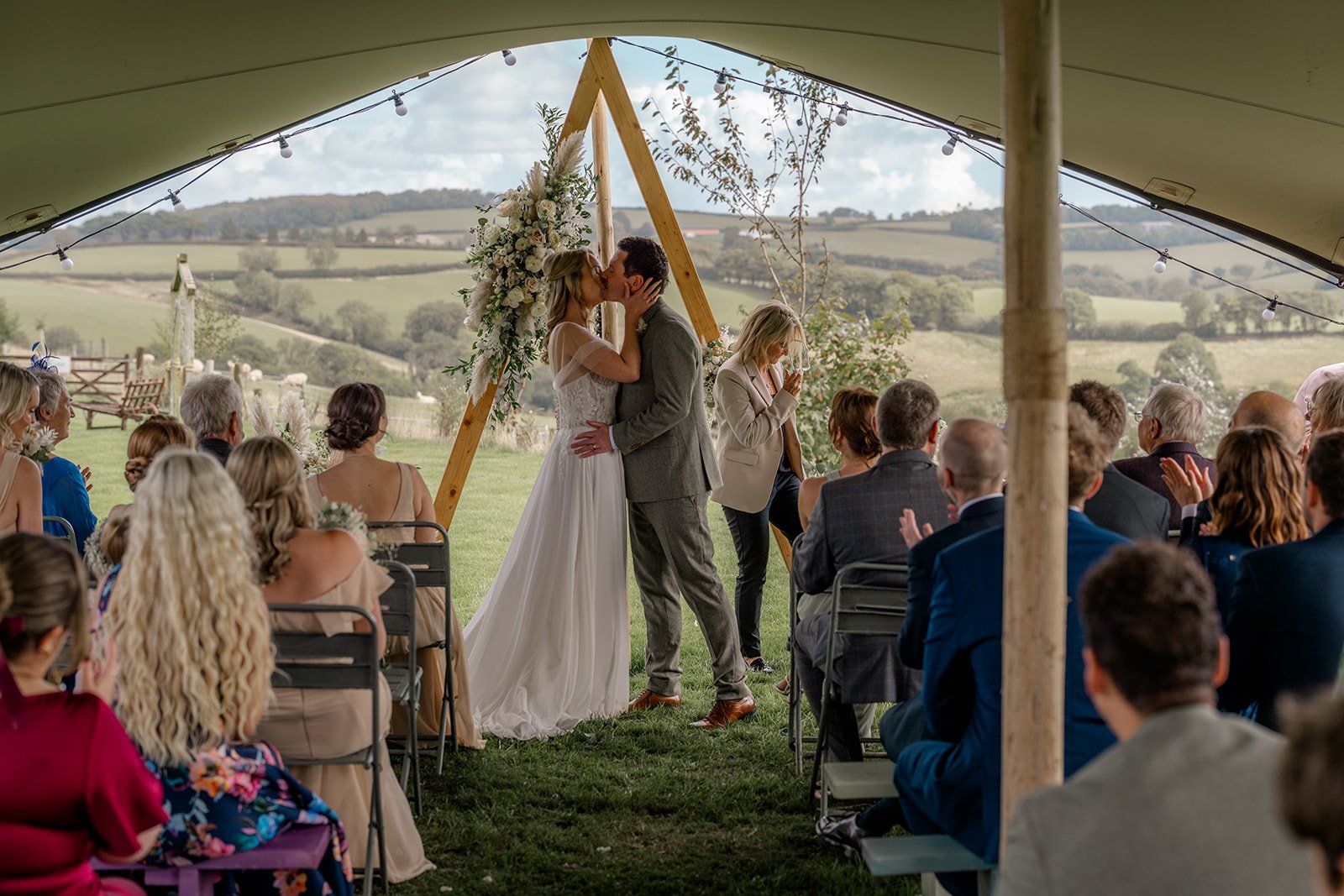
The best wedding photography style for you is the one that matches how you actually want to experience your wedding day.
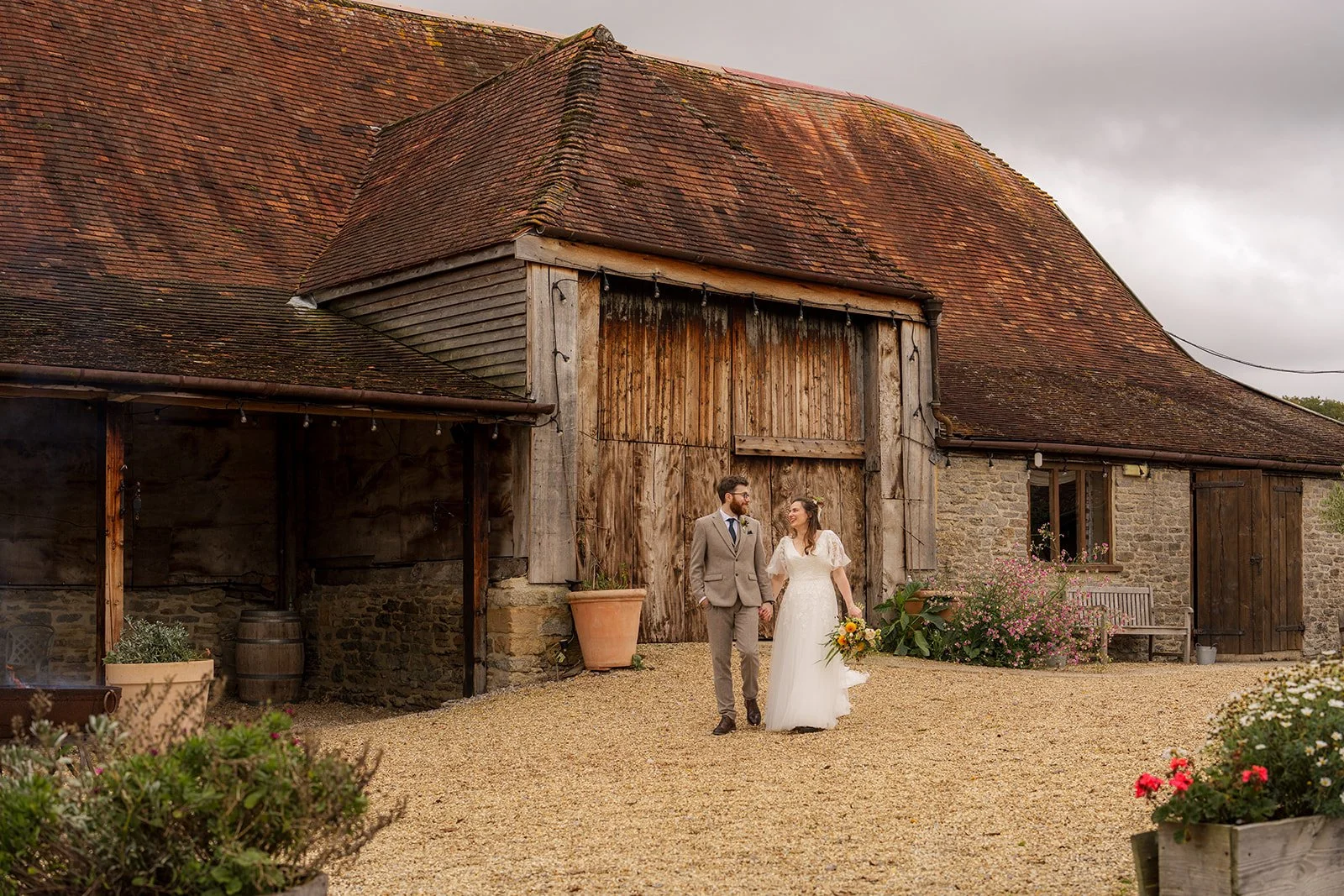
A rustic barn wedding might suit a documentary approach, while a grand hotel could call for something more fine art. Think about how you want to remember the day. Are you camera-shy and want things to unfold naturally? Or do you love the idea of high-impact, editorial shots?
If you’re drawn to relaxed, natural, and candid photos, look for a photographer who talks clearly about documentary wedding photography and shows full galleries where real moments are captured consistently from start to finish.
Go with someone whose work feels like you.
Natural Documentary Photography for Elegant and Luxury Weddings
Many couples planning an elegant or luxury wedding still want their photos to feel natural, relaxed, and true to the day. A beautiful venue, thoughtful styling, and a more refined setting do not mean your wedding photos need to feel stiff or overly staged.
My natural documentary approach works well for couples who want the setting captured properly, while still keeping the focus on real moments, genuine emotion, and the people who made the day what it was. I’ll guide when needed for portraits and family photos, but most of the day is about capturing things as they naturally happen.
Understand What’s Included in the Package
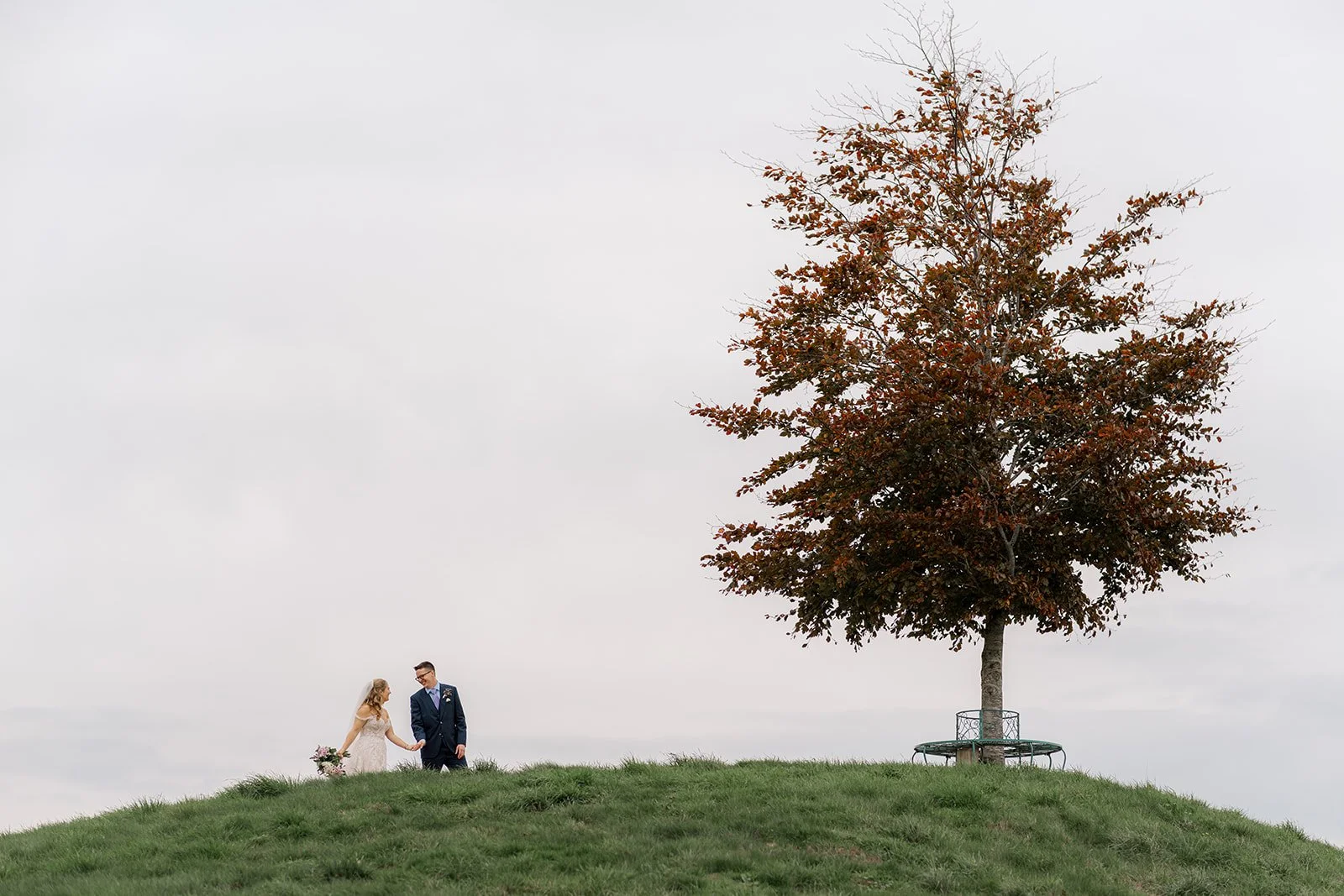
Before comparing wedding photography packages by price, compare the coverage, number of photographers, editing, prints, albums, and any engagement shoot included.
Not all photography packages include the same things, even if they look similar on paper. Ask about:
Coverage Length - Determines how much of your story is captured. Short coverage might miss the prep or the party, while full‑day coverage tells the whole story.
Second Photographers - Can be invaluable for larger weddings, dual prep locations, or busy timelines.
Albums & Prints - Turn your digital files into something tangible that lasts beyond your phone or laptop.
Image Editing & Retouching - play a big role in the final look of your photos, so make sure you understand what’s included and that their editing style matches what you’re drawn to.
Engagement Shoots - Help you get comfortable in front of the camera and build trust before the wedding day.
Understanding these elements helps you compare photographers properly, not just by price but by value.
Remember: It’s More Than Just Price
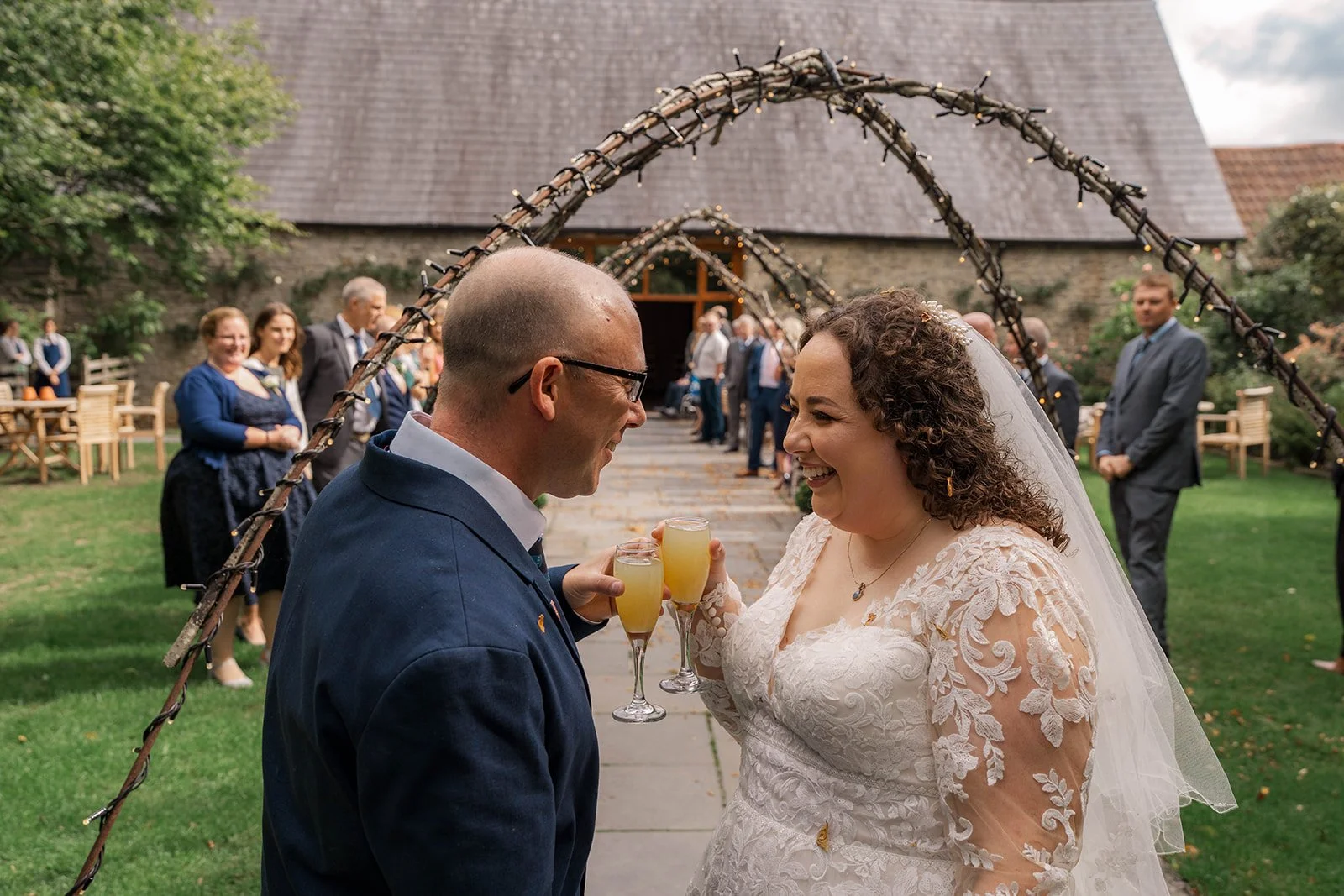
Choosing a wedding photographer should be based on more than price because you’re also paying for experience, reliability, approach, and how comfortable you feel with them.
Wedding photography is an investment. You’re not just paying for pictures, you’re paying for experience, reliability, creativity, and someone you genuinely get along with. Trust your gut. If you click with a photographer and love their work, that connection will come through in your photos.
Conclusion
Your photographer is the one supplier who’ll be with you throughout the entire day, capturing all the moments you don’t want to miss (and a few you didn’t even notice). Take your time, do your research, and don’t be afraid to ask the important questions. The right person won’t just document your wedding… they’ll tell your story.
Still looking for a natural documentary wedding photographer for your 2027-2028 wedding?
I’d love to hear more about your day.
Wedding Photographer FAQs
-
Look for a photographer whose style, approach, personality and full wedding galleries all feel right for you. It is worth looking beyond a few favourite images and thinking about how you want the photography to feel throughout the whole day.
-
Yes. A full wedding gallery shows how consistently a photographer works across different lighting, locations and parts of the day, rather than only showing their strongest highlight images.
-
A relaxed documentary approach can work really well for camera-shy couples because most of the day is captured naturally rather than being heavily posed. I’ll still guide you when needed, but you are not expected to perform for the camera all day.
-
Wedding photography packages start from £1,400, with most couples investing between £1,600 and £3,000 depending on coverage and package choice.
-
My style is relaxed, natural, candid and documentary-led, with true-to-colour editing and a focus on genuine moments rather than making your wedding feel like one long photoshoot.